









EV Charging Module: A Complete Guide to DC Fast Charging Modules
What Is an EV Charging Module?
What Does an EV Charging Module Do?
The primary function of an EV charging module is to supply regulated DC power for battery charging. It controls output voltage and current according to the charging system's operating requirements, monitors operating conditions and responds to detected faults.
Its conversion efficiency, output capability and operating stability directly affect the energy performance and power delivery of a DC fast charger.
Where Is an EV Charging Module Installed in a DC Fast Charger?
EV charging modules are typically installed inside the power cabinet of a DC fast charger. They receive AC power from the input distribution system and convert it into DC power, which is then delivered through the charger's DC power distribution circuit to the charging connector.
The charger controller coordinates module operation, while the cabinet's cooling system dissipates heat generated during power conversion.
What Is the Difference Between an EV Charging Module and an EV Charger?
An EV charging module is a core power conversion component, whereas an EV charger is a complete charging system.
A DC fast charger typically includes power modules, electrical protection devices, a control system, communication interfaces, cooling components and charging connectors. The charging modules provide DC power, while the complete charger manages power distribution, charging control and communication with the vehicle.
How Does an EV Charging Module Work?
An EV charging module performs several coordinated power conversion and control functions. These typically include AC-to-DC conversion, input power quality control, DC output regulation and communication with the charging system.
How Does an EV Charging Module Convert AC Power into DC Power?
An EV charging module receives AC power from the charging station's electrical supply. Its internal power conversion circuits process the input through rectification and subsequent conversion stages to produce regulated DC output.
The module adjusts its output according to the required voltage and current, enabling the charging system to deliver controlled DC power to the vehicle battery.
What Is the Role of Power Factor Correction (PFC)?
Power Factor Correction (PFC) helps improve the electrical characteristics of the module's AC input by reducing the phase difference and waveform distortion between input voltage and current.
A high power factor indicates more effective utilization of the supplied electrical power, while low input current Total Harmonic Distortion (THD) helps reduce harmonic pollution in the power supply system. Power factor and Total Harmonic Distortion (THD) are therefore important indicators when evaluating the input-side electrical performance of an EV charging power module.
How Does an EV Charging Module Regulate DC Output Voltage and Current?
An EV charging module regulates its DC output according to the control commands received from the charging system. It adjusts voltage or current within its specified operating range to meet the charging system's power requirements.
Within a constant-power operating range, the available output current varies with output voltage. This capability allows the module to accommodate different battery voltage requirements, subject to its rated power and current limits.
How Does an EV Charging Module Communicate with the Charger Controller?
Communication between an EV charging module and the charger controller enables coordinated system operation. Through interfaces such as CAN, the module can transmit operating parameters, status information and fault signals.
The controller uses this information to manage module operation, allocate available power and respond to system requirements, helping maintain coordinated operation of the DC charging system.
What Types of EV Charging Modules Are Available?
EV charging modules are available in different power ratings, output voltage ranges and design configurations. These variations allow charging system manufacturers to select modules according to their system architecture, power requirements and intended applications.
What Are the Common Power Ratings of EV Charging Modules?
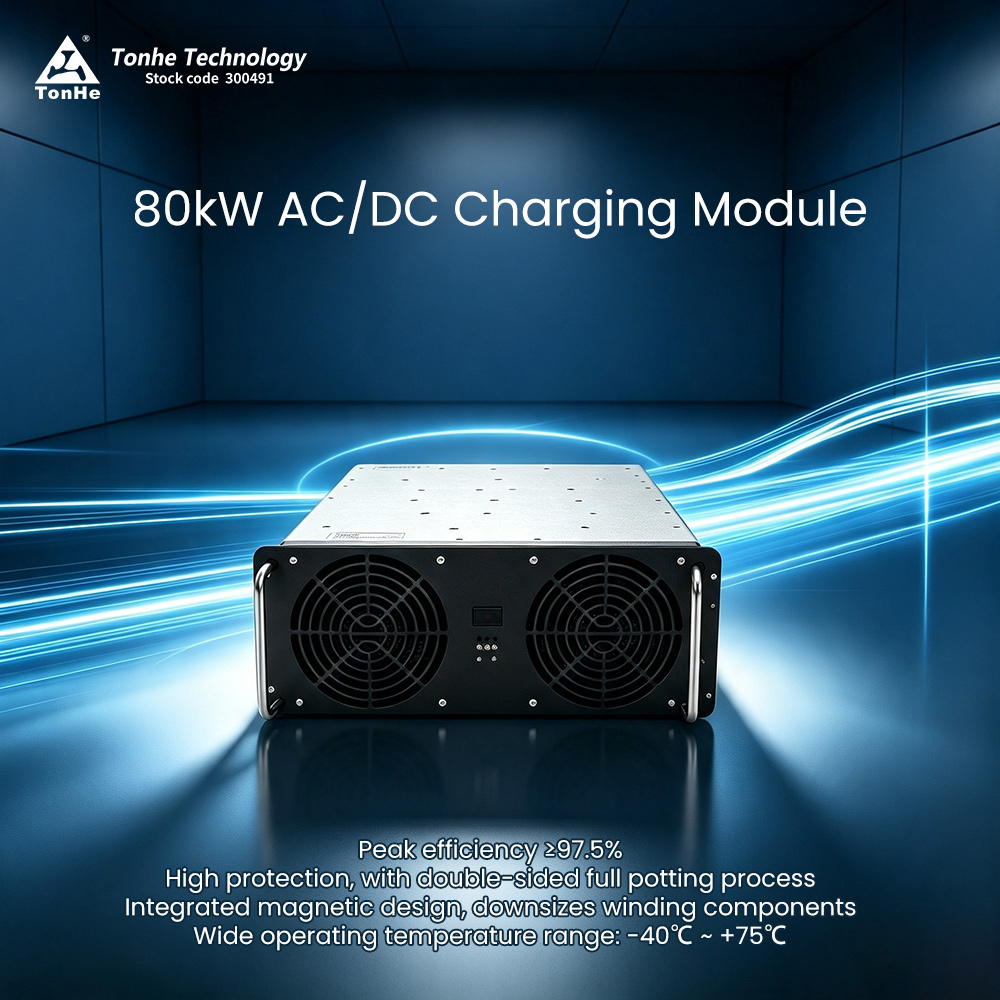
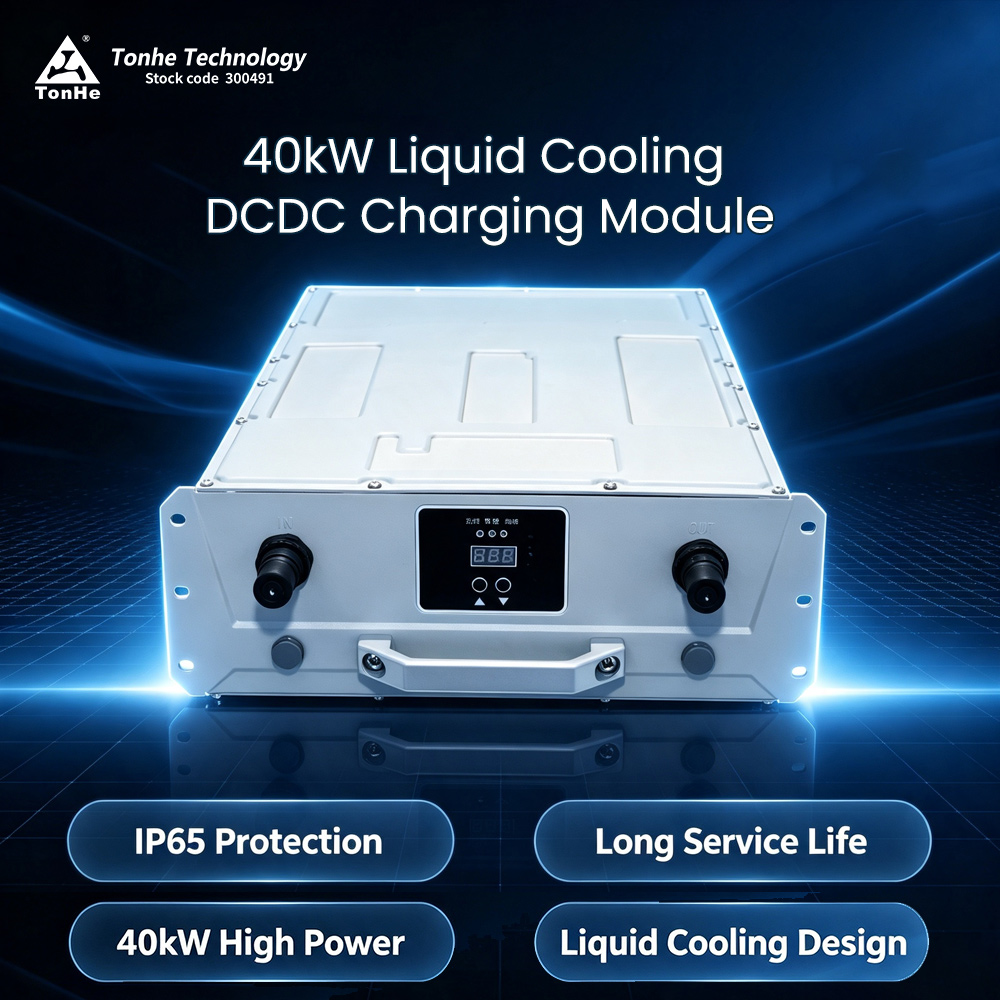
Common EV charging module power ratings include 20kW, 30kW, 40kW, 50kW and 80kW. Different power ratings allow charging system manufacturers to configure DC chargers for various capacity requirements, from compact charging systems to high-power charging infrastructure.