








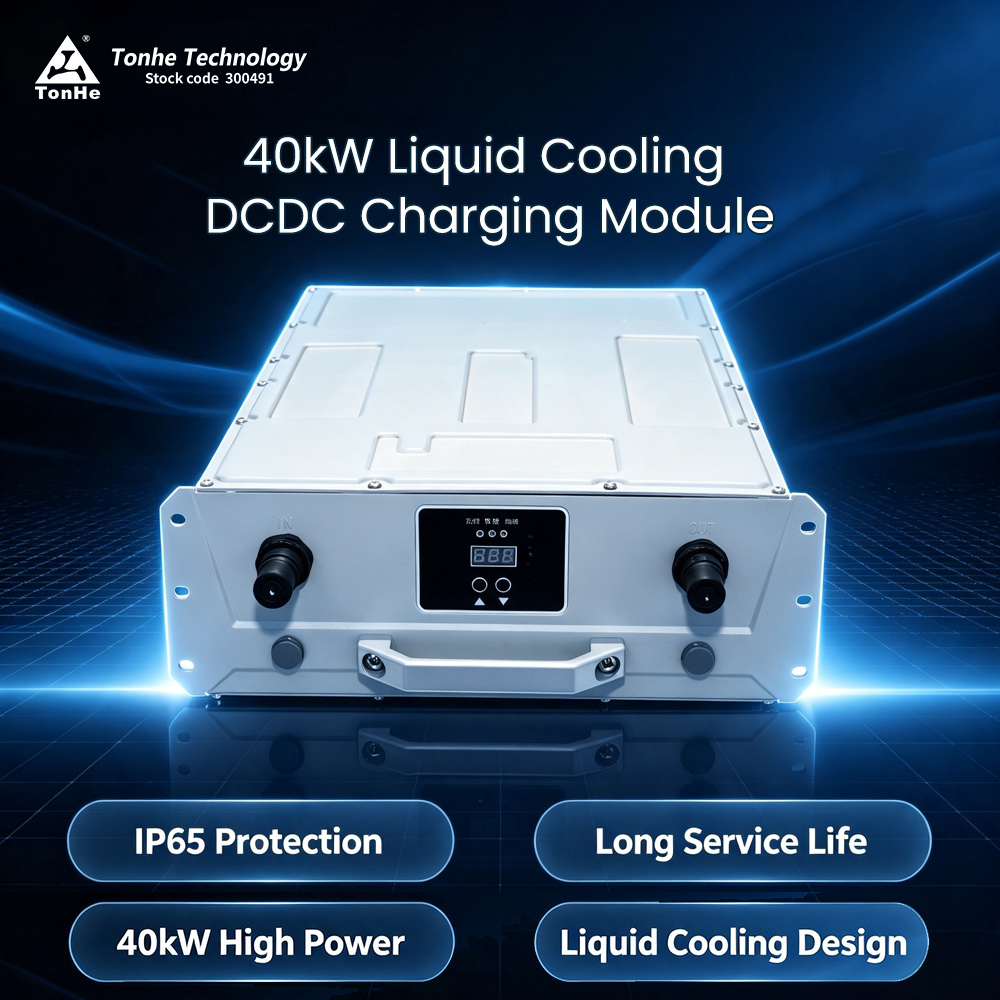
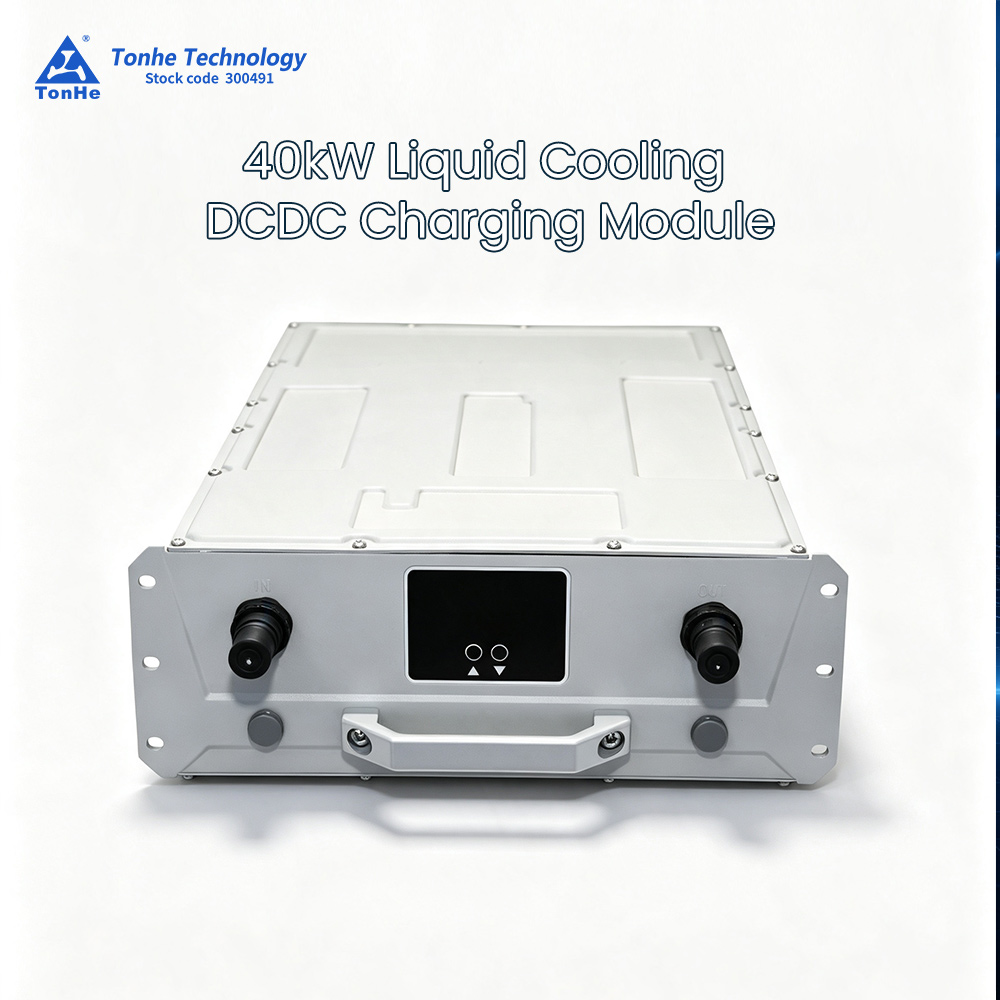

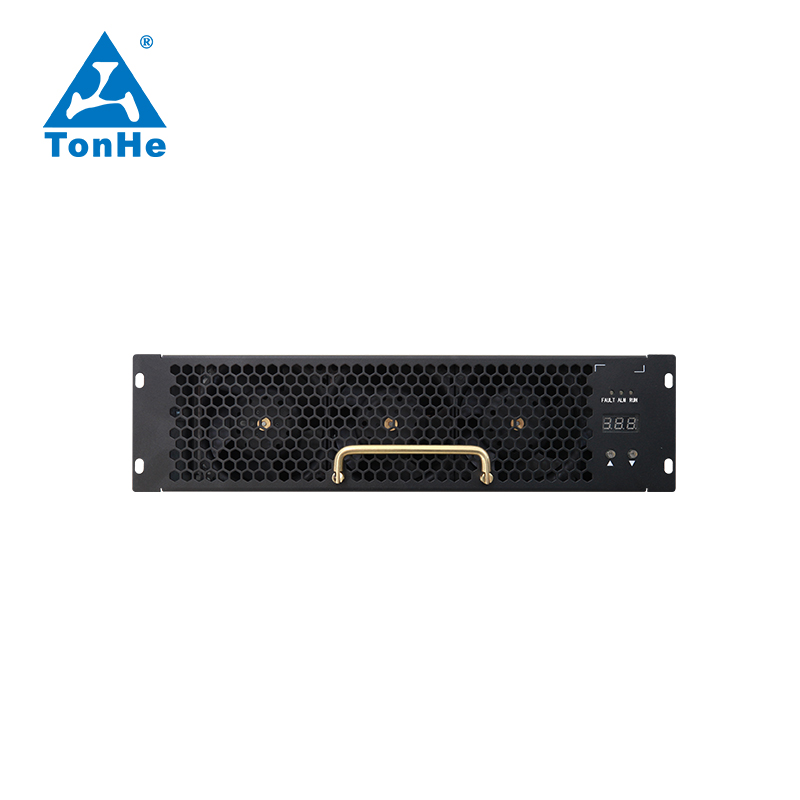

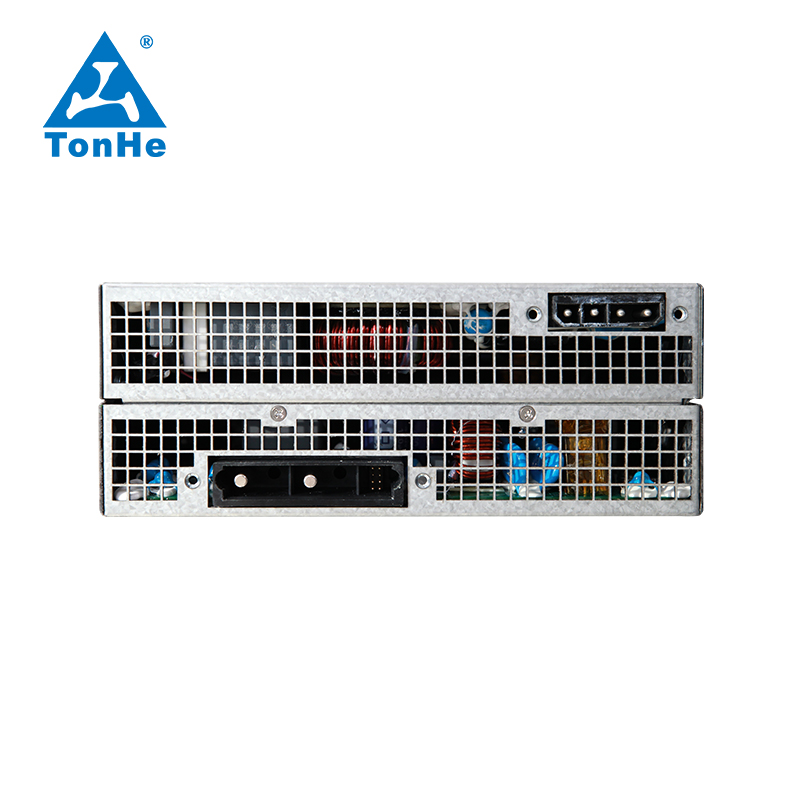
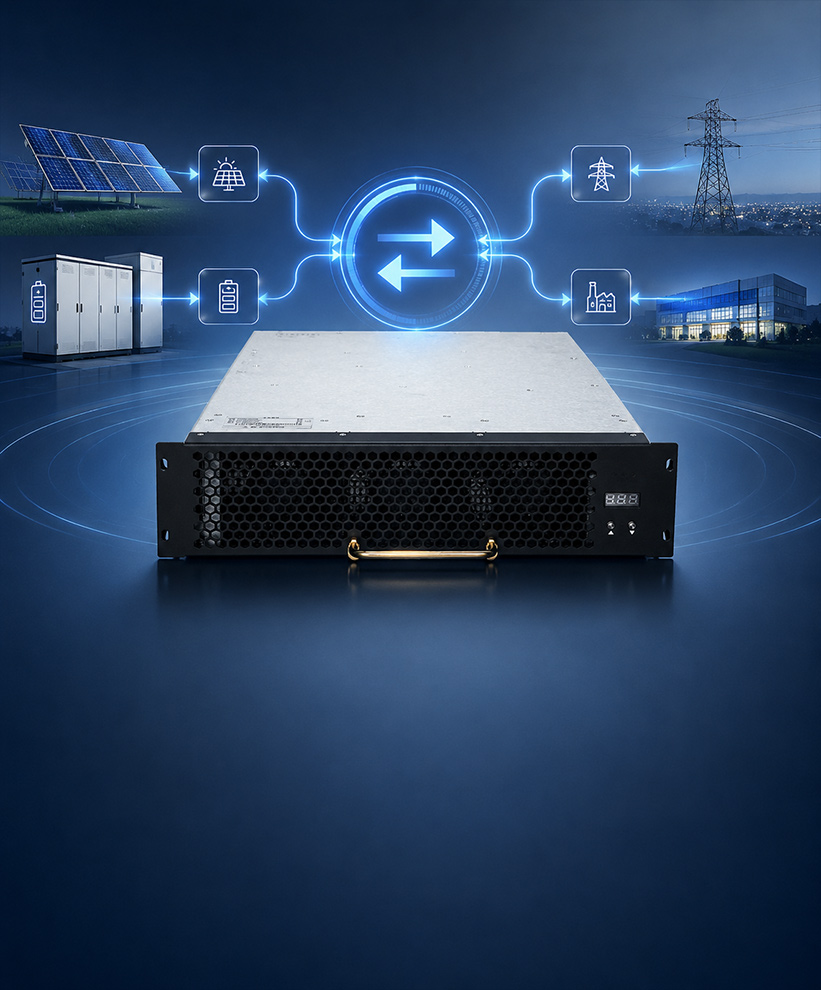
product Advantages
Tonhe energy storage modules deliver efficient, safe and flexible power conversion
for energy storage systems in a wide range of applications.
Bidirectional Energy Conversion
· Rectification & inversion modes
· Bidirectional power conversion
· Wide DC voltage range
· V2G & grid-interactive applications

Wide-Range Adaptability
· Multiple power levels
· Wide voltage operating range
· DCDC & ACDC solutions
· Flexible ESS configurations

Intelligent & Reliable Operation
· Anti-islanding protection
· Integrated monitoring & protection
· CAN communication
· Ultra-low power consumption
Q :What is an energy storage module?
An energy storage module is a modular power conversion or energy management component designed for integration into energy storage systems. It helps provide efficient and stable power conversion and can be configured according to the requirements of different energy storage applications.
Q :What is an ESS battery module used for?
An ESS battery module is used as part of an Energy Storage System (ESS) to support energy storage, power conversion, and energy management. It can be integrated into commercial, industrial, renewable energy, and other energy storage solutions according to the system architecture.
Q : What is a battery storage module?
A battery storage module is a modular component used in battery-based energy storage systems. Multiple modules can be integrated into a larger system to meet different power and energy requirements, providing a flexible approach to energy storage system design.
Q :What energy storage modules does Tonhe Technology offer?
Tonhe Technology currently offers a range of energy storage module products, including TH40DS10030C9E-WT, TH40DS10030C8L-WT, TH30DS10030C8E-WT, TH120E9060C1-WT, TH40GT10030C8E-WT, TH20GT10030C8E-WT, and TH07GS10030C9E-WT.
Q :What applications can use an energy storage module?
Energy storage modules can be integrated into commercial and industrial energy storage systems, renewable energy storage, power management systems, and other applications requiring modular energy storage and power conversion. The appropriate module should be selected according to the system's electrical and application requirements.
Q :What are the advantages of using a modular battery storage module?
A modular battery storage module allows system designers to configure and scale energy storage systems according to specific project requirements. Modular architecture can also simplify system integration, product selection, maintenance, and future system expansion.
Q :How do I choose the right ESS battery module for my project?
The appropriate ESS battery module depends on factors such as required power, energy capacity, voltage range, cooling method, operating environment, system architecture, and application requirements. Customers should review the technical specifications of individual Tonhe models before selecting a module.
Q :Can Tonhe energy storage modules be integrated with other power management products?
Yes. Tonhe's energy storage modules can form part of a broader power and energy management solution. Depending on the system architecture, they can be combined with power management systems, control systems, communication interfaces, and other power conversion equipment.
Q :Are Tonhe battery storage modules suitable for renewable energy systems?
Yes. Battery storage modules can be used as part of energy storage solutions supporting renewable energy applications such as solar and other distributed energy systems. The specific module should be selected according to the power, energy, electrical, and environmental requirements of the project.
Q :How can I get technical information about a Tonhe energy storage module?
For detailed information about a specific energy storage module, customers can visit the corresponding product detail page or contact Tonhe Technology directly. Technical specifications such as power rating, voltage range, cooling method, efficiency, certifications, and application requirements should be confirmed for the selected model before system integration.